Crowdin
/Blog

AI and Automation

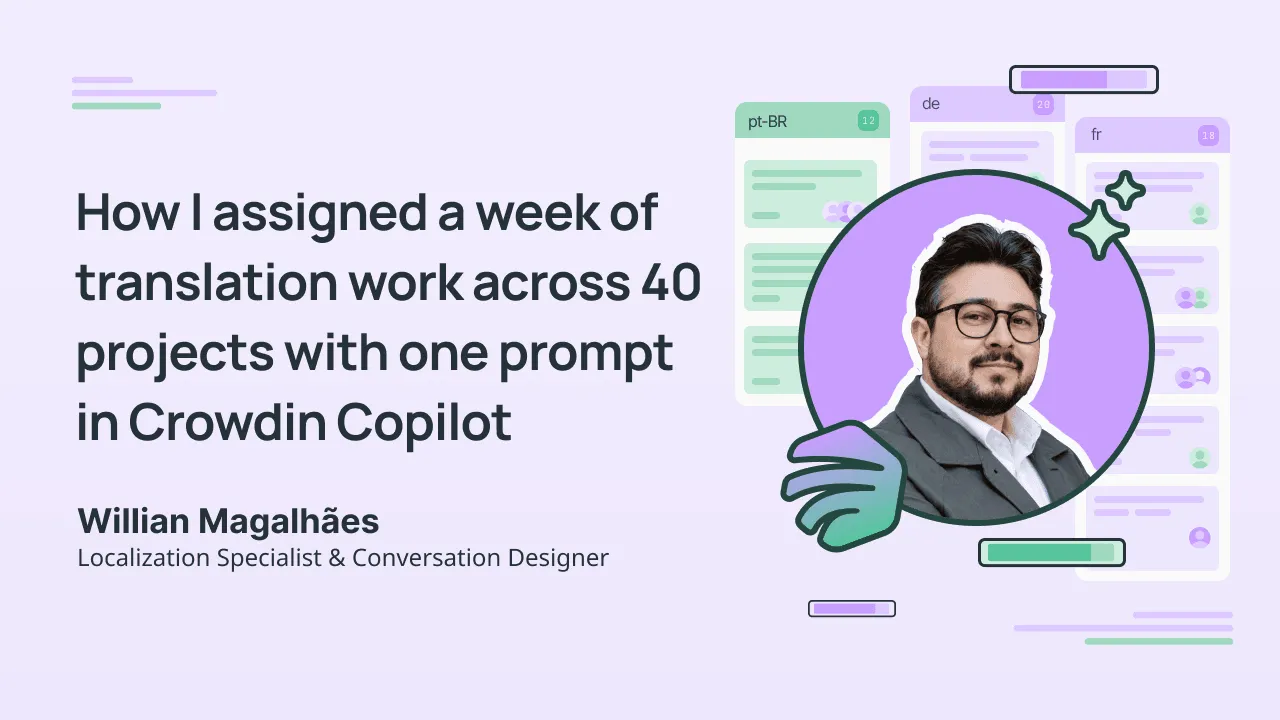
Crowdin Assistant assigning translation tasks across a multi-project workspace

Assigning a Week of Translation Work with Crowdin Assistant (formerly Copilot)

•9 min read

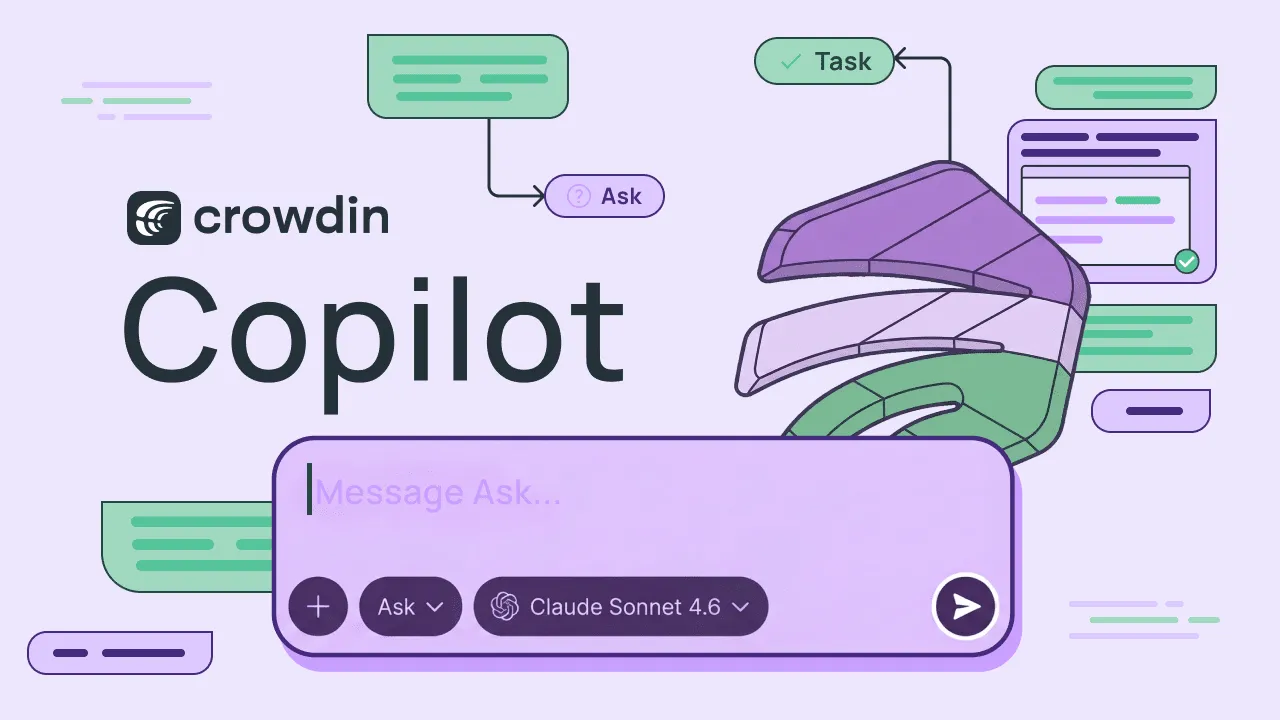
By Willian Magalhães, Localization Specialist & Conversation Designer Every Monday I had the same small problem. New content had landed over the weekend, and somebody had to turn it into tasks. Creating the tasks takes maybe five minutes. Figuring out who should get each one is what used to eat my morning. In a TMS you sometimes run into fairly complex cases, and out of the box there is often no UI to handle them comfortably. This is one of them. "Which of my translators has room for this?" sounds like a simple question, but the answer is spread across every project you have. I have used a lot of TMSs and they all have good screens. None of them had a screen for how my team works, and honestly I don't expect one to, because no product can ship a screen for every team out there. So I did what most of us do. I exported a spreadsheet, or asked an engineer to write me something with the API, or I just opened project after project and kept the whole picture in my head. I really believe your problem should be solved the way your team works, not the way your TMS happens to have UI for. And this is where Crowdin is at its best for me. There's the whole apps infrastructure to build on, plus Crowdin Assistant (formerly Copilot), which lets you run localization from a chat. And the chat builds a dynamic UI on the fly. That last part I didn't expect, so I recorded a video to test it on a setup that looks like a real company.

Turo localization with Crowdin

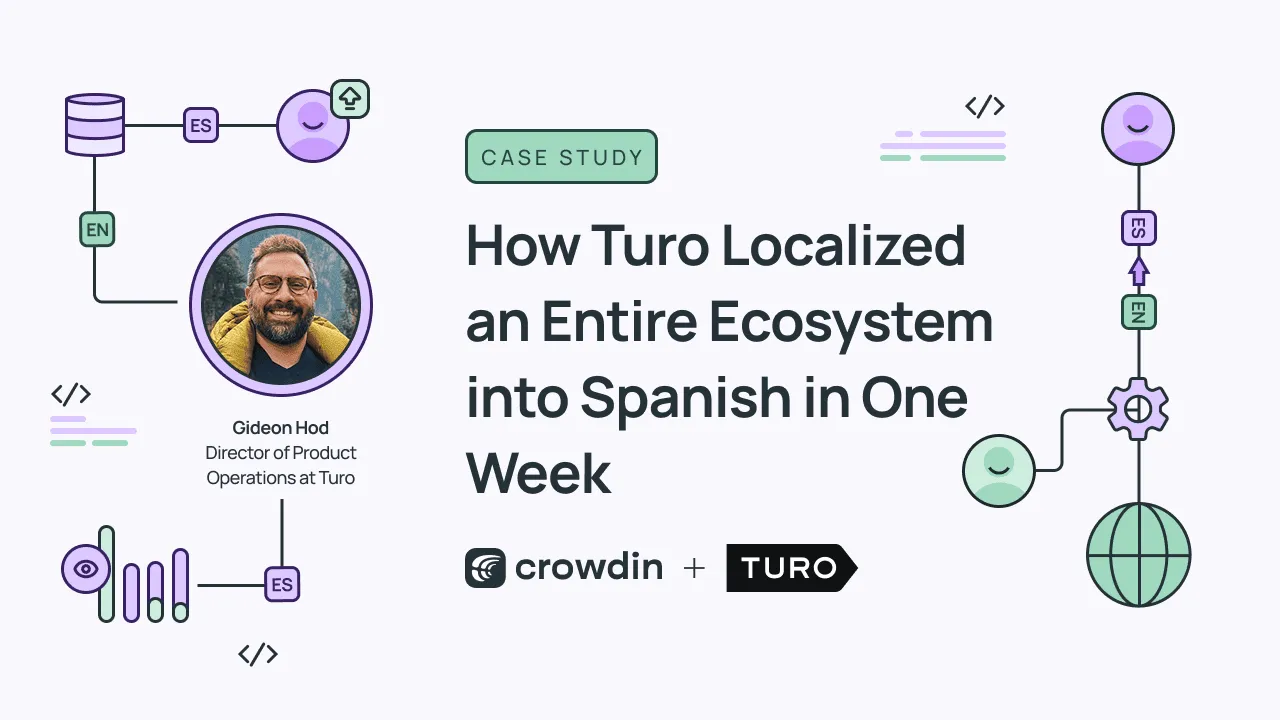
How Turo Localized an Entire Ecosystem into Spanish in One Week

•6 min read

Turo is the car rental marketplace that is reinventing rental to unlock independence for all. But unlike booking a room, car sharing requires a unique layer of confidence. Guests aren't just looking for a place to stay; they are trusting a vehicle to move them safely through the world. This focus on reliability has fueled Turo's massive growth into a $1 billion business. Today, the company successfully operates across the US, Canada, the UK, France, and Australia. For Turo, localization is the "bare minimum" required to build this essential trust with both hosts and guests. Leading this global expansion is Gideon Hod, Turo's Director of Product Operations. Gideon views his role as the center of a massive feedback loop, bridging the gap between high-level product strategy and the boots-on-the-ground reality of local users. While traditional product management often focuses on top-down roadmaps, Gideon’s approach to Product Ops is built on velocity and execution. Under his direction, Turo sped up their workflow shifting from a manual localization process to a high-speed, AI workflow within Crowdin. <table> <thead> <tr> <th class="align-baseline">SUMMARY</th> <td></td> </tr> <tr> <th>Metric</th> <th>Traditional Workflow</th> <th>AI Workflow</th> <th>Improvement</th> </tr> </thead> <tbody> <tr> <td> <strong>Time to Market</strong> </td> <td>3–4 Months</td> <td>1 Week</td> <td> <strong>90% faster</strong> </td> </tr> <tr> <td> <strong>Total Cost</strong> </td> <td>$10,000+ (Est.)</td> <td>AI Tokens + QA</td> <td> <strong>98% cheaper</strong> </td> </tr> <tr> <td> <strong>Human Intervention</strong> </td> <td>100% Manual Review</td> <td>Near-zero (Fallback only)</td> <td> <strong>Almost 100% AI Translations</strong> </td> </tr> </tbody> </table>
Crowdin research: AI translation in esterprise

152 Enterprise Teams, 95% Use AI Translation. Here's Why the Model Is the Least Important Part.

•13 min read

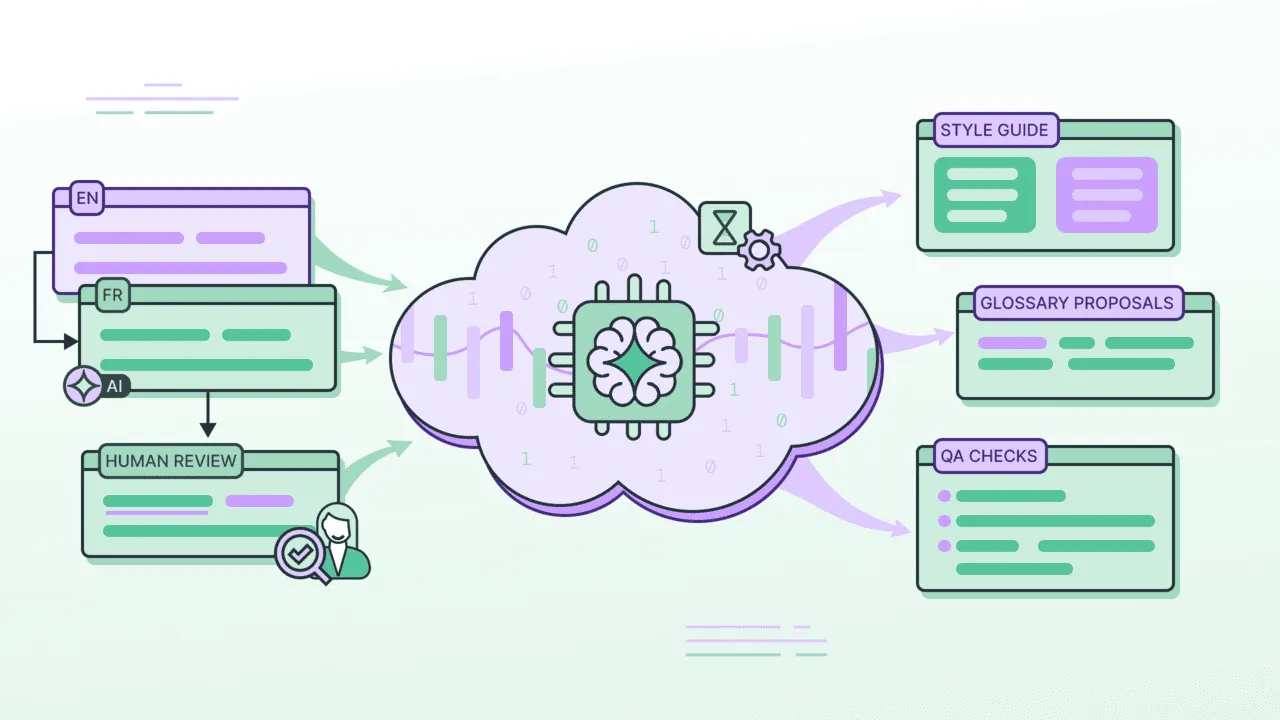
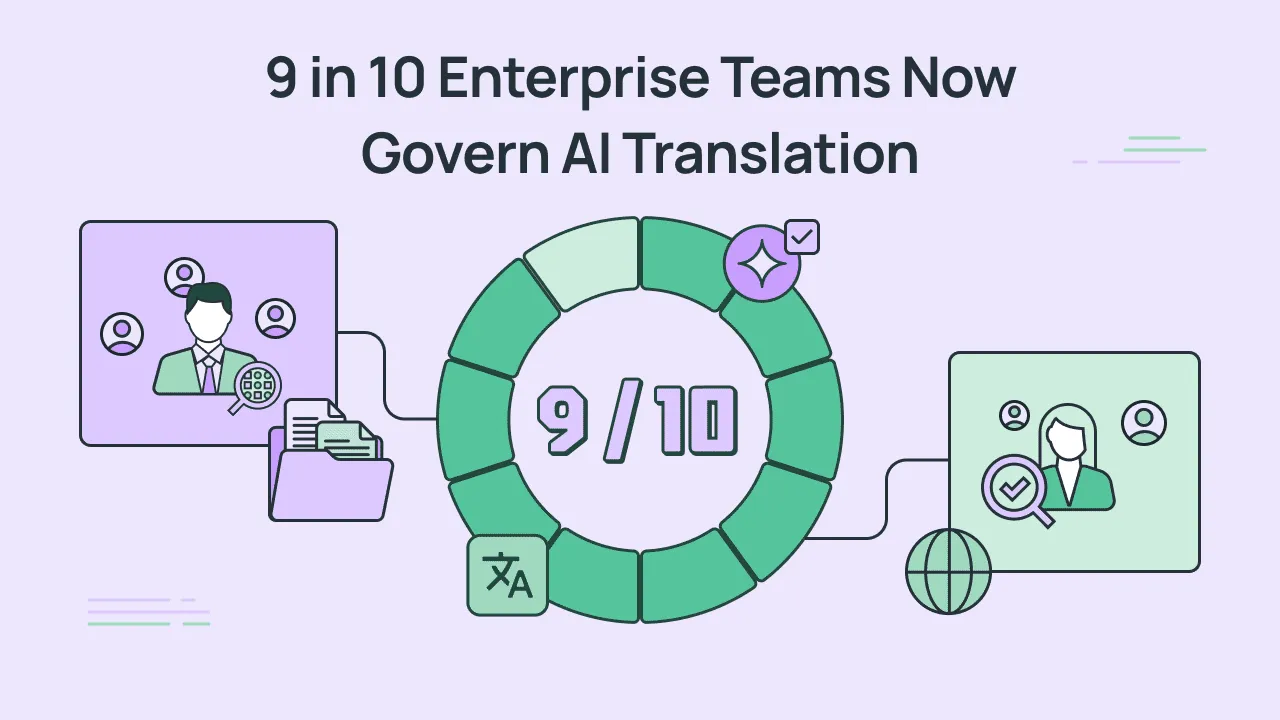
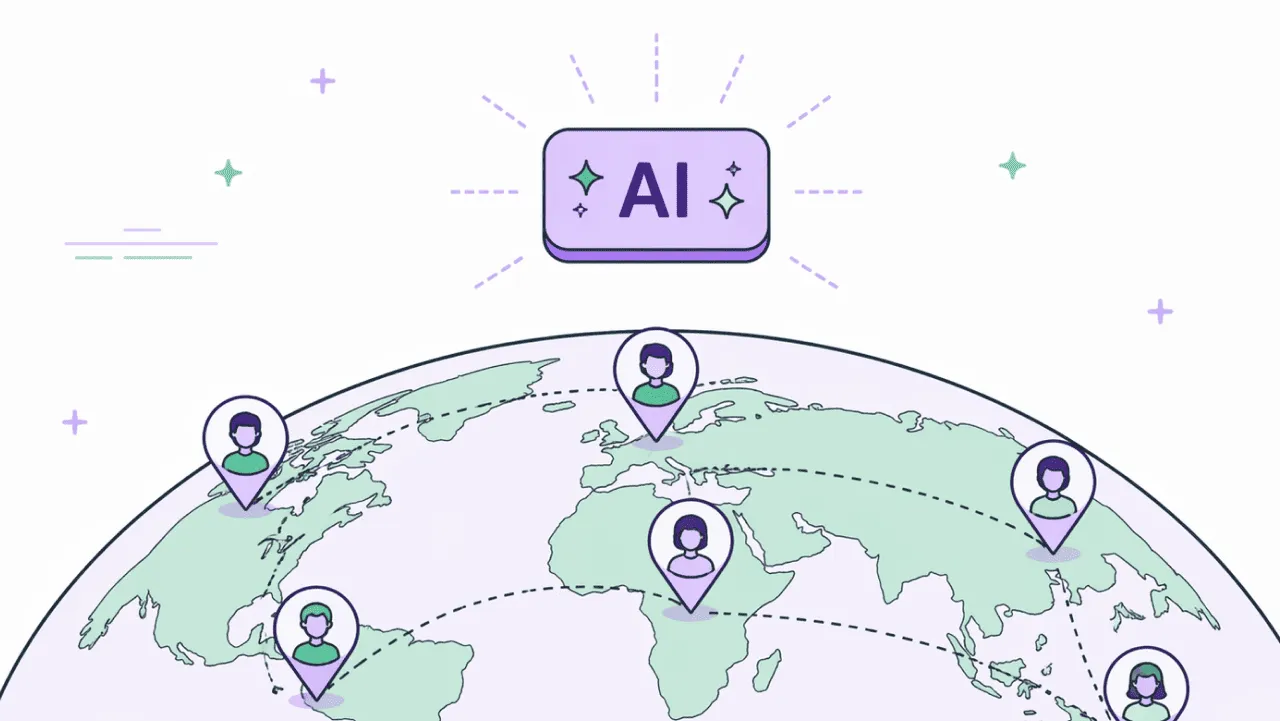
Based on original research combining a B2B survey of localization, engineering, product, and security professionals, Reddit community discussions, and publicly available industry data. The question is no longer "whether" but "how". AI translation is no longer an experiment. It has become an operational baseline for enterprise teams managing multilingual content at scale. Based on our original survey of 152 B2B professionals across the US and Canada, roughly 95% of respondents already use AI or machine translation in some capacity – with nearly half doing so frequently and about 18% using it for every translation task. Nearly 9 in 10 require or prefer bring-your-own API keys. Over 91% already have governance frameworks in place or underway. And 1 in 5 report quality incidents since introducing AI translation. But adoption alone tells only part of the story. What matters now is how companies implement AI translation when the stakes include data security, regulatory compliance, brand consistency, and production reliability. The central finding of this research is clear: enterprise teams do not treat AI translation as a plug-and-play capability. They treat it as a managed process – one that demands governance, quality controls, cross-functional oversight, and platform-level orchestration. In other words, the industry has moved past the debate over whether AI translation works. The real conversation is about how to make it work safely, predictably, and at scale.

View All Tags
Stay updated with Crowdin by signing up for our newsletter